Why Friendships Matter Just As Much in Later Life
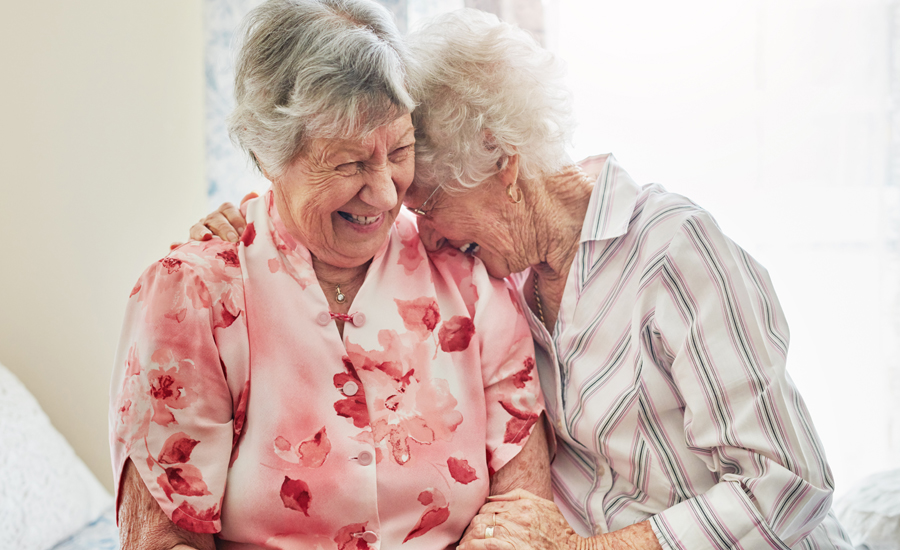
Making friends doesn’t stop being important as we get older. But with retirement, changes in health or the loss of close friends over the years, your loved one might not find as many opportunities to socialise as they once did.
And while spending time with family is wonderful, it’s lovely to have friends of your own. Whether it’s having a good chat over a cup of tea or finding someone who shares the same sense of humour, everyday connections can give your elderly relative something to look forward to.
If your loved one is moving into a care home, you might be wondering how they’ll get on with the other residents and whether they’ll find people they enjoy spending time with.
Let’s explore how friendships develop in care homes and why having good company can make such a difference to life in later years.
Will My Loved One Make Friends in a Care Home?
Your loved one will have plenty of opportunities to meet other residents and develop friendships in a care home. Shared meals, activities, events, outings and everyday conversations can help them get to know people with similar interests. Some residents form friendships quite quickly, while others need more time to feel comfortable. Carers can help with introductions and encourage your relative to join in at their own pace.
Why Friendships Are So Important for Older People
Having people to spend time with makes a huge difference to how your loved one feels from day to day.
Think about how much better you can feel after a good catch-up with a friend. Having a laugh, sharing what’s been happening or just enjoying each other’s company can really lift your mood and that really doesn’t change as we get older.
Unfortunately, keeping in touch with friends isn’t always as easy in later life.
If your loved one has stopped driving, lost friends they’ve known for years or has become less confident about going out because of their health, this will likely mean limited social opportunities as the years go by. If they previously enjoyed meeting friends for coffee or attending a weekly social club, losing those regular outings can leave quite a gap in their week.
You might worry about this, particularly if your relative lives alone.
Research also shows that loneliness can have a real impact on health. The World Health Organization has linked loneliness and social isolation with an increased risk of depression, cognitive decline and cardiovascular disease.
For residents living in a care home, there are many opportunities to enjoy company without having to arrange transport or wait for someone to visit, which can give them a sense of independence. And your loved one might discover they have a lot in common with another resident over lunch or find themselves looking forward to seeing a particular friend at the afternoon activities.
Over time, those friendships can give them more reasons to get involved in life around the home and help them feel happier and more fulfilled in their new surroundings.
Helping Residents Make Friends and Feel Part of the Community
If you’re feeling guilty about moving your loved one into a care home, you will feel better knowing that they offer plenty of opportunities for residents to meet each other and discover shared interests. From organised activities to everyday conversations, friendships can develop in all sorts of ways, including:
- Shared mealtimes – Sitting together at lunch or dinner times gives residents a chance to have a chat and get to know each other naturally.
- Arts and crafts – Painting, knitting and other fun creative activities bring residents together, often giving them the chance to share skills they’ve enjoyed for years.
- Everyday conversations – Sometimes the loveliest friendships begin with something as ordinary as sitting beside the same resident in the lounge or discovering you both enjoy watching a favourite daytime TV show.
- Quizzes and games – Think lighthearted games like bingo, board games and team quizzes that encourage friendly competition and give residents something to laugh about together.
- Music and entertainment – Singalongs, live performances and music afternoons can bring residents together through favourite songs and shared memories.
- Trips and outings – Visits to local cafes, garden centres, shopping centres or attractions give residents the time to enjoy each other’s company outside the home.
- Exercise and well-being activities – Gentle exercise classes, including chair-based movement sessions and walking groups, can help residents meet others while staying active. A win-win scenario.
- Birthday parties and celebrations – Birthdays, Christmas parties and other seasonal events celebrated in the home give residents a chance to celebrate together and engage with people they might not otherwise meet.
- Book clubs and reading groups – Residents who love reading can discuss their favourite books, recommend new authors and enjoy conversations about stories they’ve read.
- Gardening clubs – Residents who enjoy gardening can spend time planting flowers, tending raised beds or swapping advice about caring for their favourite plants.
- Coffee mornings – A relaxed chat over tea and biscuits can be an easy way for your loved one to get to know other residents without joining a structured activity.
- Community events – Visits from local schools and community groups can create opportunities for residents to meet new people and enjoy friendships across generations.
Helping Your Loved One Feel More Confident Making Friends
Making new friends can take time and your loved one might feel a little unsure about approaching other residents at first. If they’ve spent years surrounded by the same familiar faces, the thought of starting conversations with people they don’t know can feel quite daunting.
You probably know better than anyone how your relative likes to socialise, like whether they’ve always enjoyed a good chat about football but would never dream of joining a large group activity. Sharing these details with the care team can help them introduce your loved one to residents they’re more likely to get along with, giving them something familiar to talk about when they first meet.
If your relative seems hesitant about joining an activity, why not offer to go along with them the first time?
Having you there for a coffee morning or an afternoon quiz could help them feel more comfortable. They might even discover that another resident shares their sense of humour or remembers growing up in the same town, giving them a reason to strike up another conversation the next time they meet.
It’s also important to keep those long-standing friendships going. If your loved one used to meet a neighbour for coffee every weekend, you could help arrange for those visits to continue at the care home, as maintaining these relationships can be reassuring as they get to know their new neighbours.
And if you’re worried that your relative is spending most of their time alone or seems unhappy, have a chat with the care team.
They can find out how your loved one is feeling and suggest ways to help them become more involved, perhaps by inviting them to a smaller gathering with residents who share their interests.
Celebrating New Friendships and Connections in Later Life
There’s something wonderful about seeing your loved one make new friends, whatever their age.
You’ll find it reassuring hearing them mention the same resident whenever you visit or how they’re suddenly keen to get back for an afternoon activity because they’ve promised a friend they’ll be there.
These are lovely moments for families to see if their relative was feeling lonely before moving into the home.
And as those friendships grow, residents often begin looking out for one another. They might notice when a friend hasn’t come down for lunch, save them a seat at their favourite table or encourage them to join an activity they usually enjoy. Having people around who know their personality and notice when they’re missing can help your loved one feel more settled and connected to life in the home.
Of course, friendships can continue to develop well into later life, and moving into a care home can introduce your relative to people they might never otherwise have met.
At Weald Hall Care Home, we love seeing the friendships that develop between our residents and the enjoyment they bring to everyday life. If you’re exploring residential care for your loved one, we’d be delighted to welcome you for a visit so you can see our home and meet the people who make it such a friendly place to live.
Ready to explore...